Equine Immunization
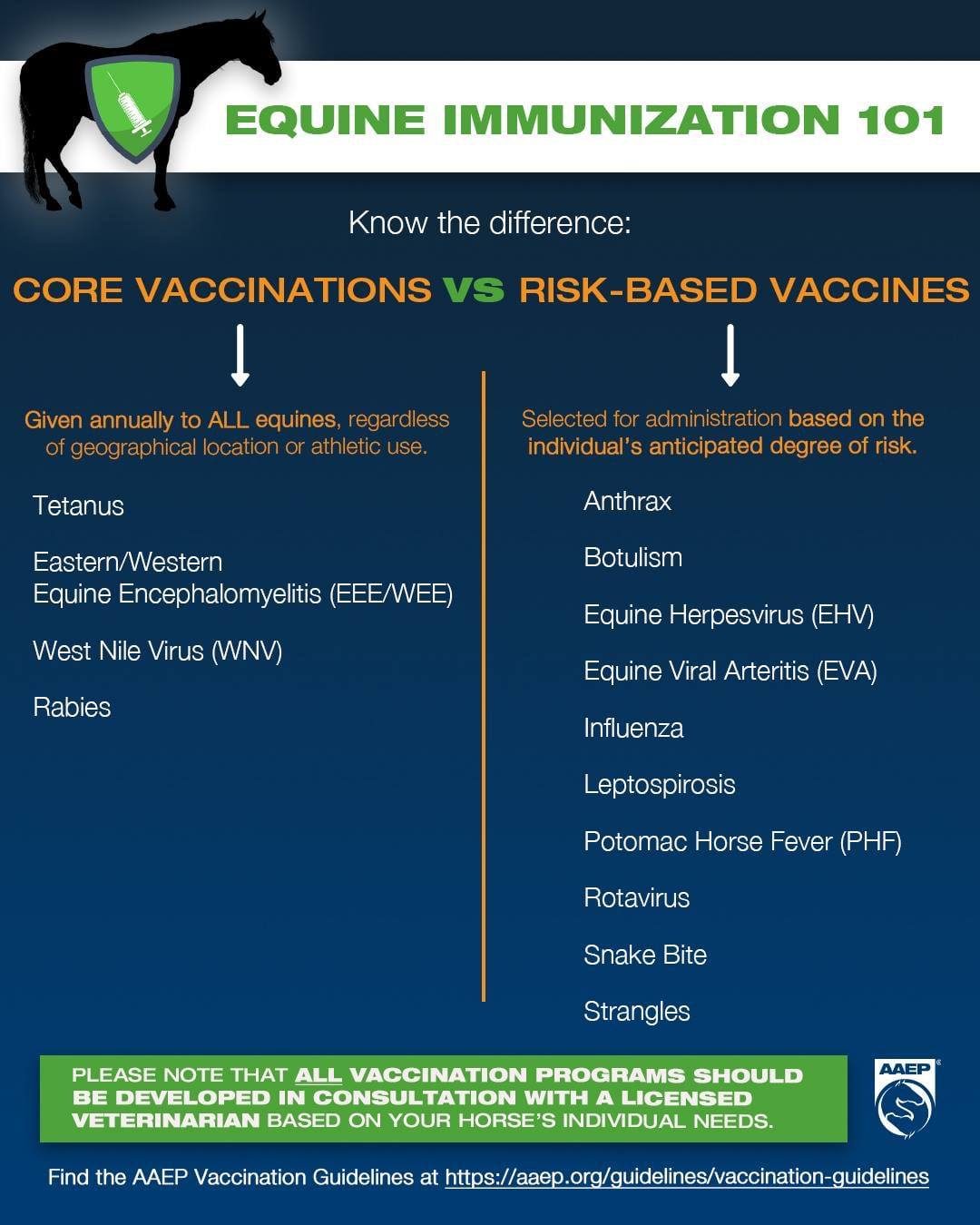
A customized vaccination program is one of the most effective ways to protect your horse from …
A customized vaccination program is one of the most effective ways to protect your horse from …
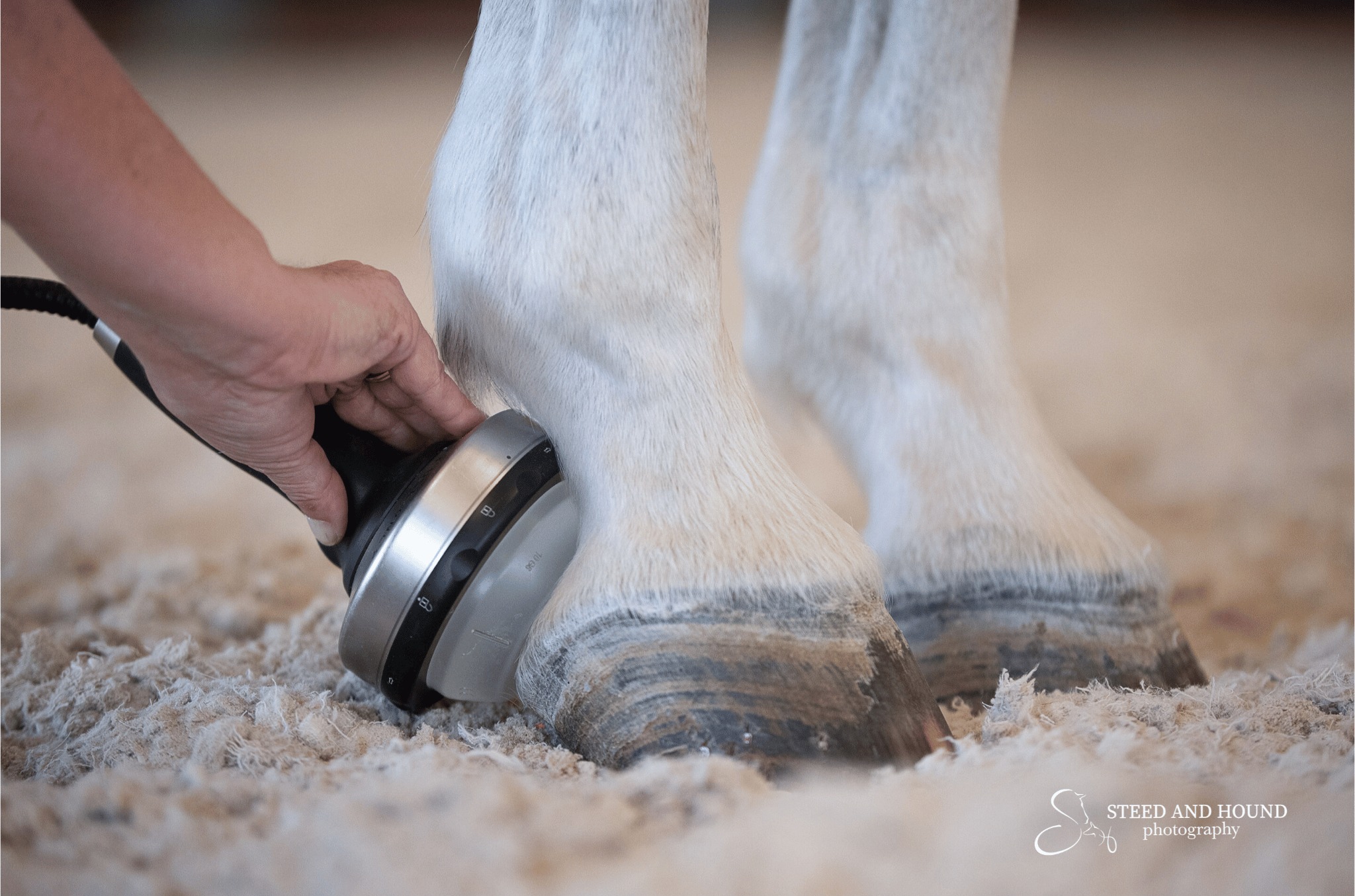
Exciting news! We have added shockwave therapy to our range of advanced treatment options! Utilizing targeted acoustic …
Spring into Equine Health ✨🌷 In our latest newsletter, we cover a range of timely topics to …
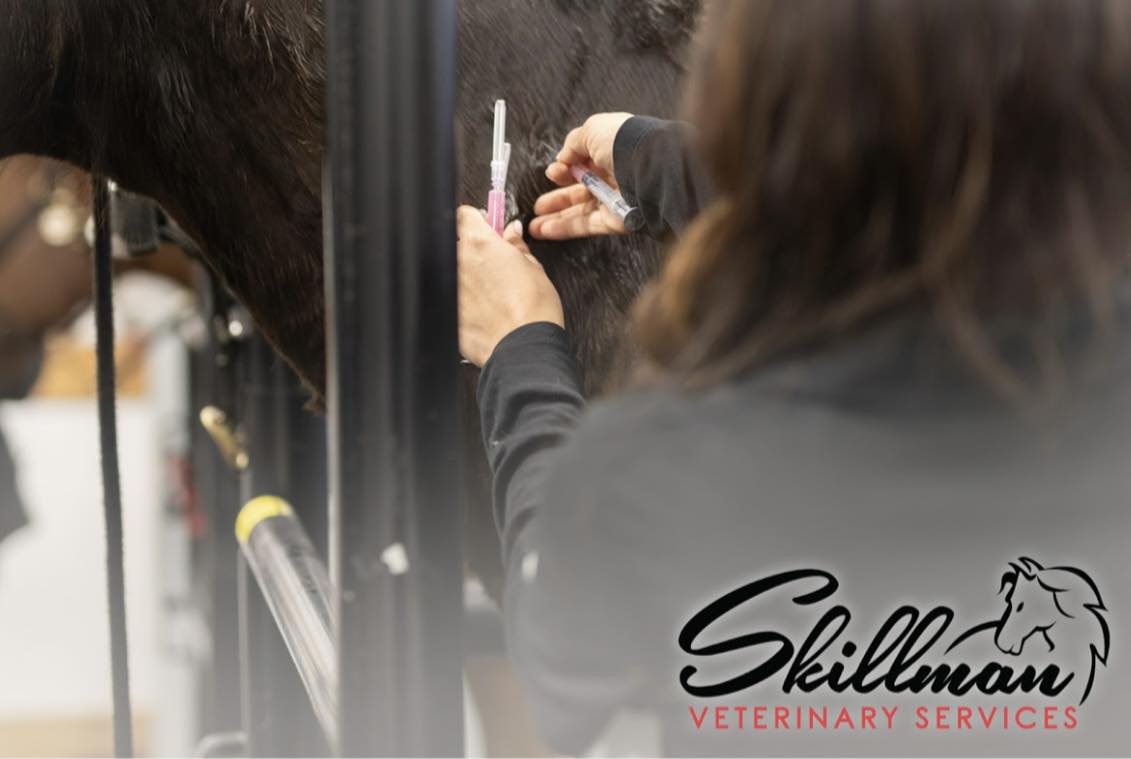
As the weather warms up, so do the risks of mosquito-borne illnesses like West Nile Virus …
Spring Vaccinations at Skillman Veterinary Services Read more →
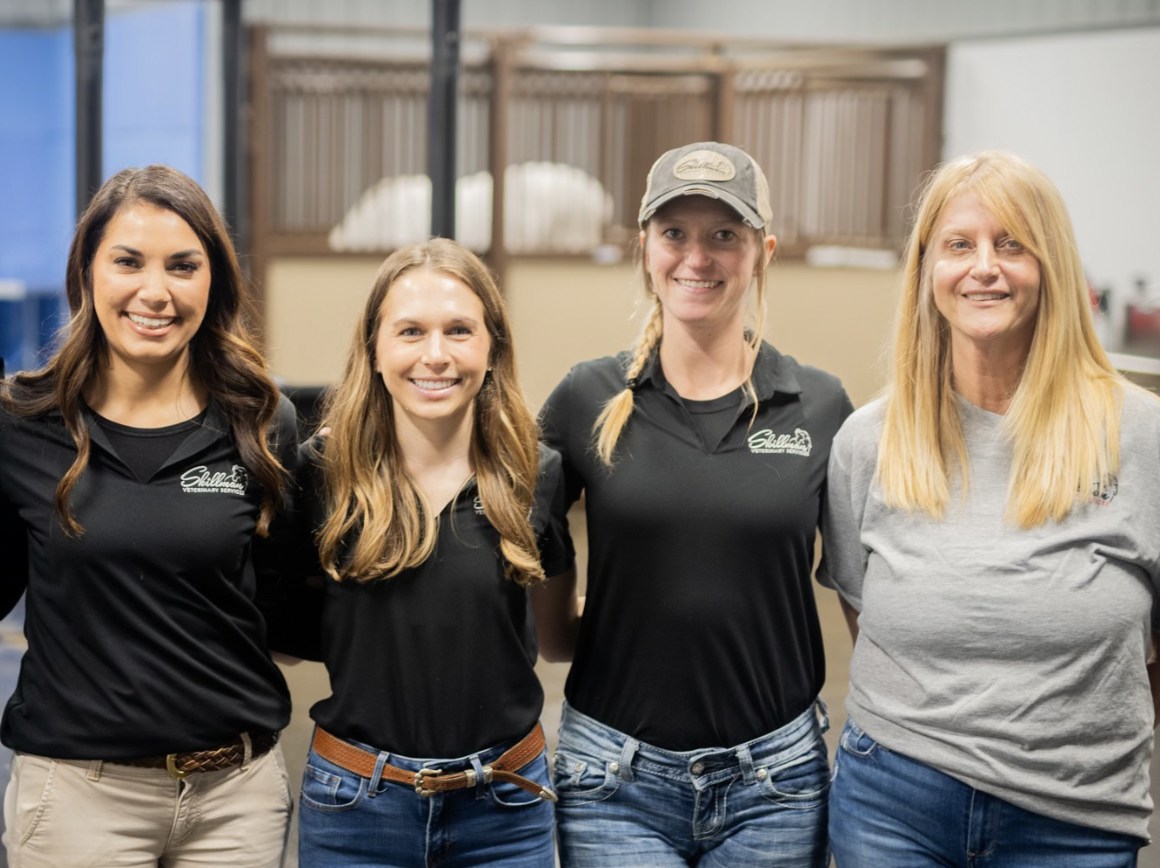
We would like to share an important update with our clients and community. After several wonderful …
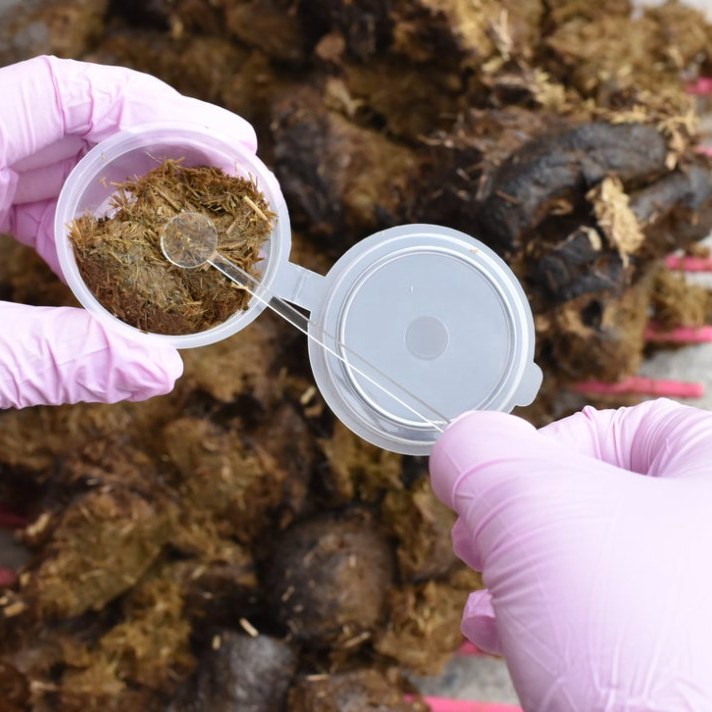
March is Fecal Month! Before you reach for that dewormer, let’s test first! A simple fecal egg …
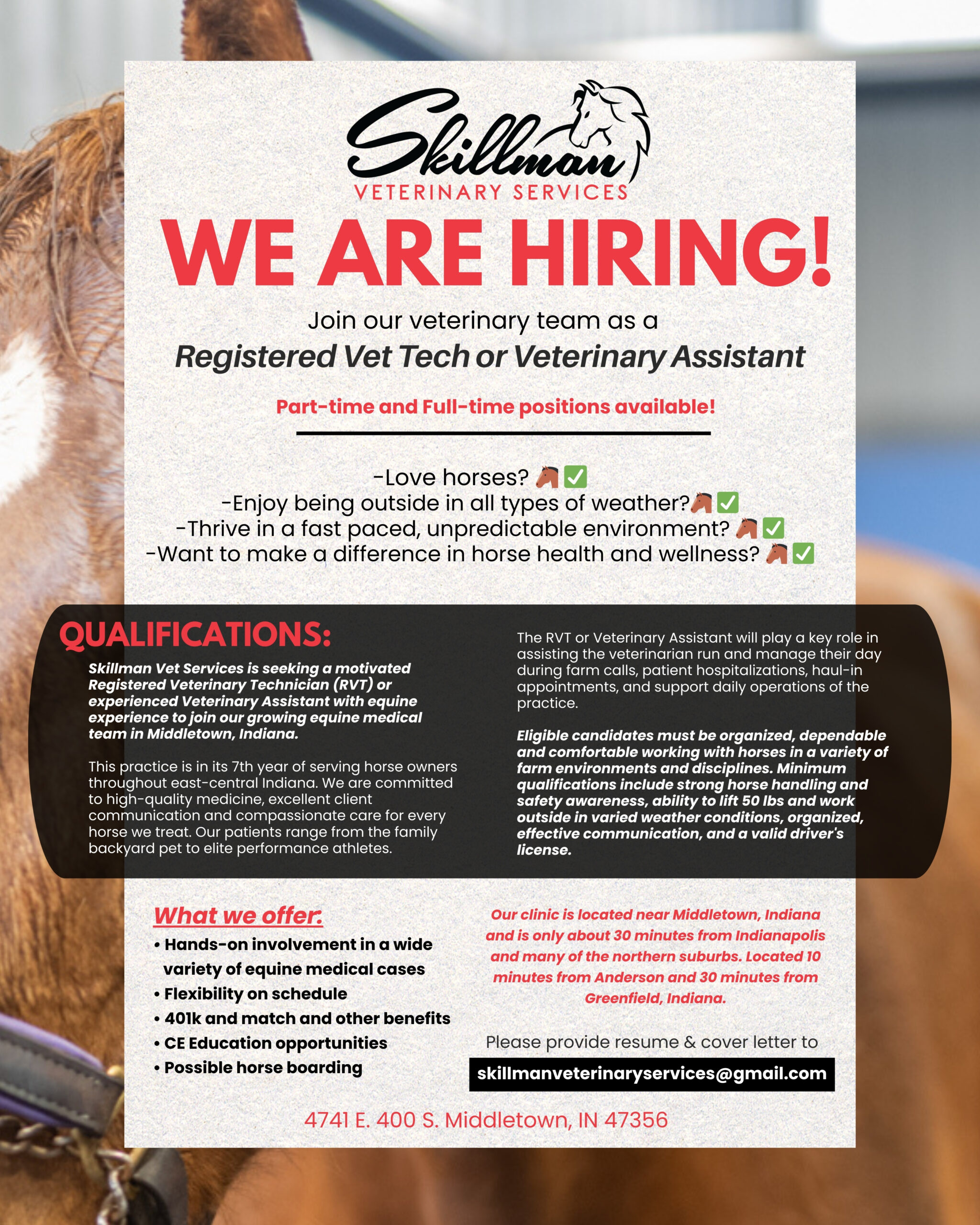
Skillman Veterinary Services is searching for a Registered Veterinary Technician or Veterinary Assistant to join our …
We are Hiring – Join the Skillman Veterinary Services Team! Read more →
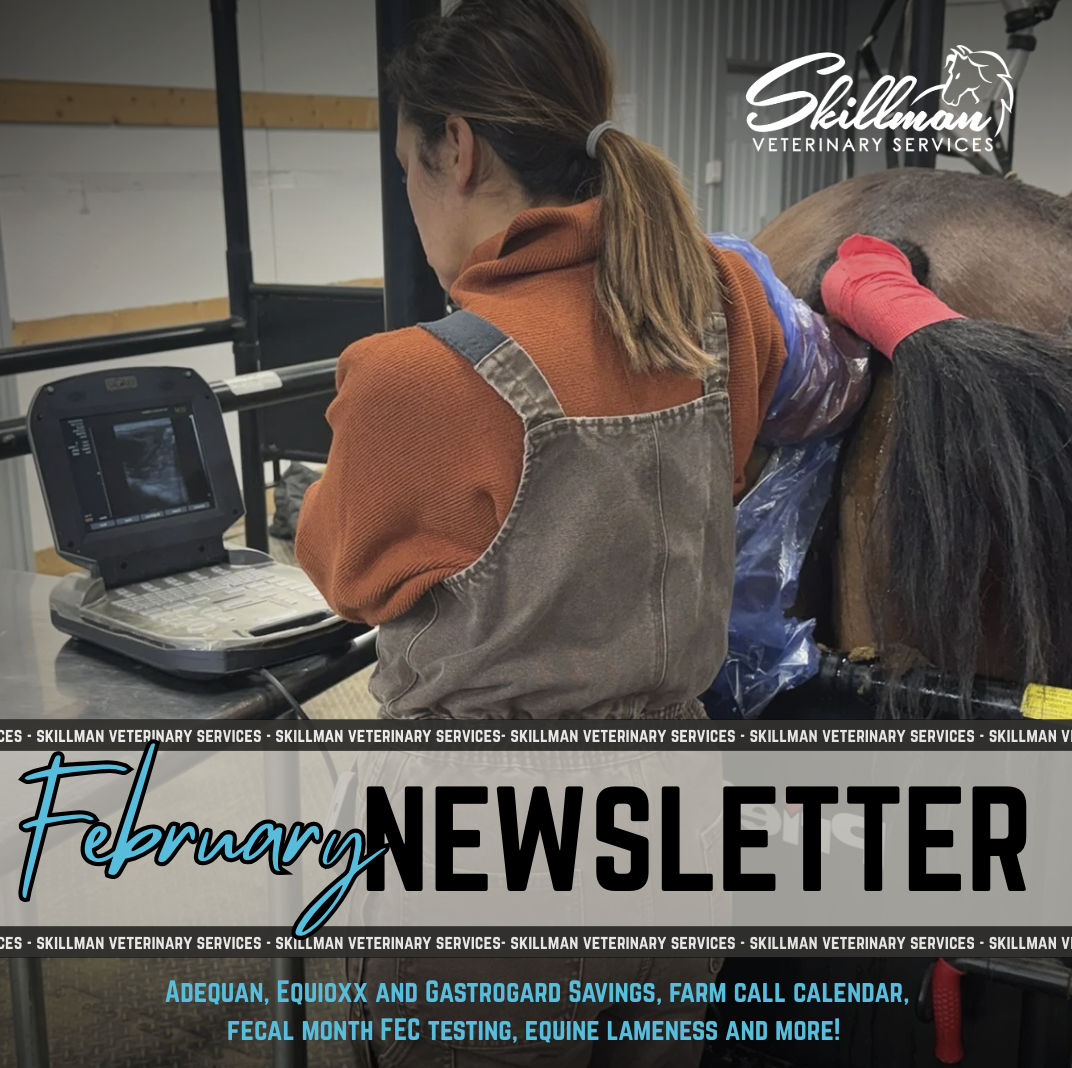
The February Newsletter from Skillman Veterinary Services is here! We covered Angular Limb Deformities in foals, …
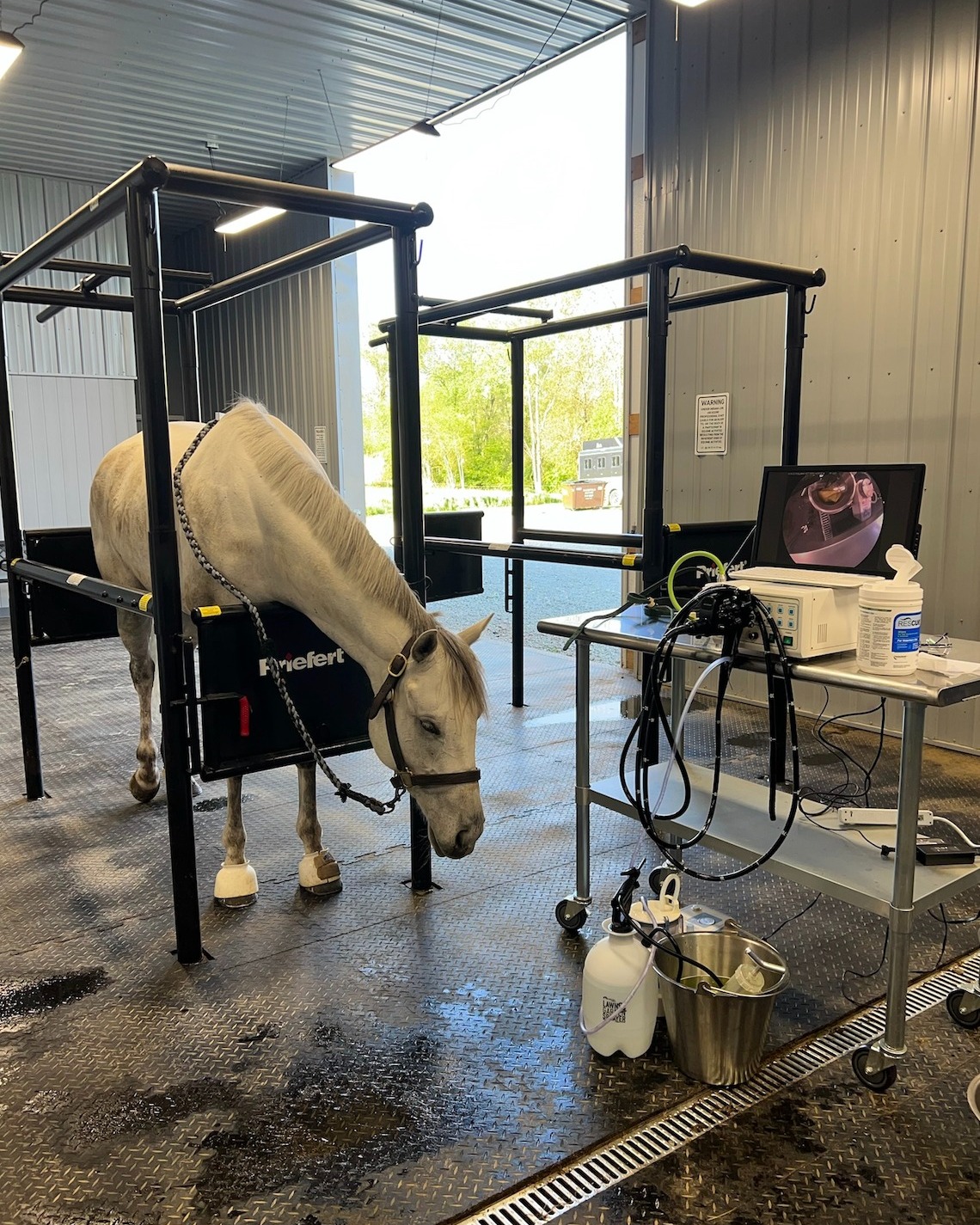
Gastroscopy exams use a specialized camera to evaluate your horse’s stomach lining and are the gold …