Equine Dentistry
What sort of teeth do horses have? Equine dentition can be broken down into the following classes of teeth: Incisors: Horses have 6 upper and 6 lower incisor teeth. These are simple in structure, deep-rooted and used to grasp and …
What is diarrhea? Diarrhea means the production of feces that are softer than normal. Normal equine feces are produced in formed, non-offensive smelling, greenish-brown, semi-solid portions that will break up in the hand, revealing varying degrees of fibrous content depending …
What is dexamethasone? Dexamethasone (brand names Azium®, Dexasone®, Decadron®, Dexium®, Dexameth-a-Vet®, Dex-a-vet®, Maxidex®, Neofordex®, Hexadrol®) is a glucocorticoid steroid medication used to treat many inflammatory conditions, patients with adrenal gland disease, and patients with immune-mediated diseases. It can also be …
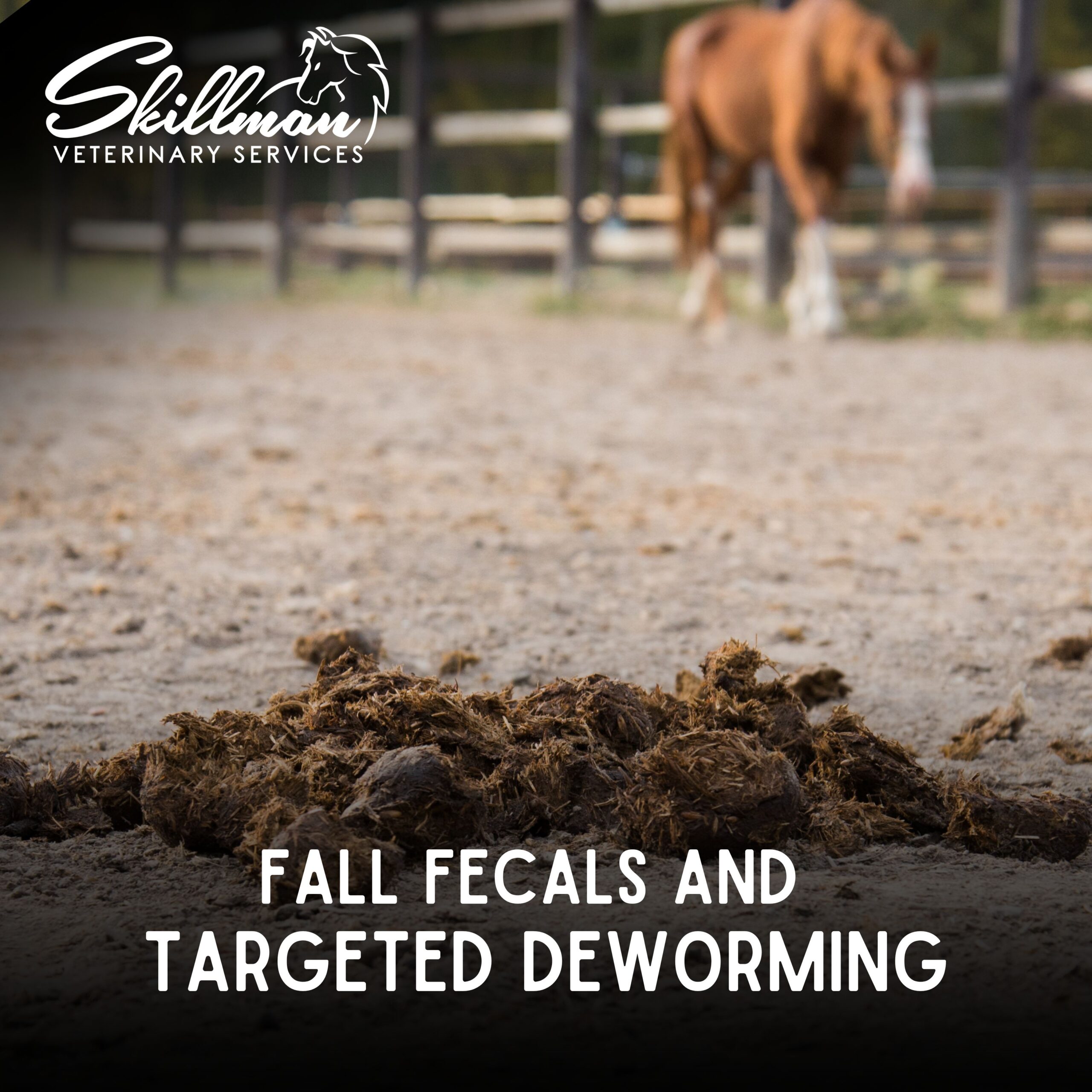
Parasitic worms live in the intestines of horses and ponies. Small numbers of worms can be tolerated, causing no effect on well-being. Larger worm burdens can cause a range of problems including ill thrift, diarrhea, colic and death. Pasture management …
What is colic? The term “colic” simply means abdominal pain. There are many causes of colic and symptoms range from very mild to violent. What are the symptoms? A horse with colic will show varying symptoms depending on the cause …
Stay up-to-date on vaccinations – Your horse could contract Potomac Horse Fever. Potomac Horse Fever is a disease caused by the bacterium Neorickettsia risticii. This bacterium infects horses when they ingest aquatic insects or snails that carry the organism. The …
Obesity, Laminitis and Insulin resistance. Equine Metabolic Syndrome is a significant health concern that requires careful management, especially during the summertime. EMS is characterized by obesity, insulin resistance, and an increased risk of laminitis. Horses at risk of Equine Metabolic …
Dog bites, inclement weather and fireworks play a role in recent injuries. The Skillman Veterinary Services staff has seen a record-breaking increase in lacerations this month! With the warmer weather and additional time spent outdoors, horses are at a higher …
Continued education – Identifying early stages of snyovitis. Skillman Veterinary Services hosted an educational event for fellow equine veterinarians. Dr. Craig Niblett from Texas led the event sponsored by Arthramid. He provided invaluable insights and demonstrated advanced techniques for viewing …
Local Veterinarians Collaborate for Educational Event at Skillman Veterinary Services Read more →
What causes choke? Choke is a relatively common condition that occurs when food or a foreign body blocks the horse’s esophagus (gullet), which is the tube that takes food from the back of the mouth (pharynx) to the stomach. Choke …